
Explosion-Proof Fire Alarm Systems: Where and Why They're Needed
Posted by Octav Cristescu on
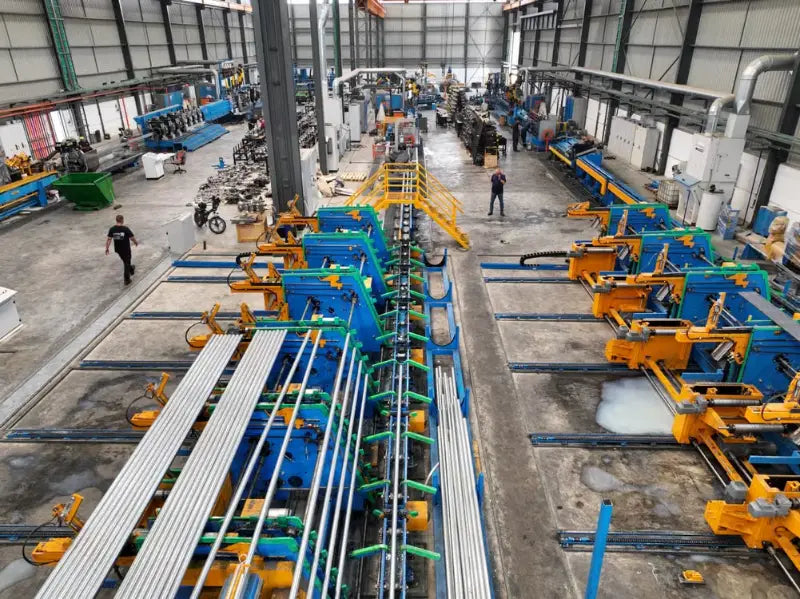
Industrial processing environments require highly specific safety infrastructure depending on the types of materials managed on-site. Facilities that handle flammable gases, hazardous vapors, combustible dust, or ignitable fibers must utilize explosion-proof fire alarm systems rather than standard commercial options.
Those industrial areas carry specific hazardous location ratings under the National Electrical Code, and the regulations prohibit standard, ordinary alarm hardware in nearly all of them. Fire Alarm Depot supplies rated fire safety equipment to facilities operating under these specific risk profiles every day. This guide breaks down exactly where and why these specialized components are required under modern industrial safety codes.
How Explosion-Proof Systems Contain Internal Sparks
An explosion-proof fire alarm unit is built to safely contain a small internal fire or spark inside its own heavy shell so it cannot escape into the surrounding air. Regular commercial alarms spark naturally during normal operation whenever a strobe flashes, a switch clicks, or a pull handle is yanked down. While those tiny electrical sparks are completely harmless in a regular office building, they become incredibly dangerous in an industrial facility surrounded by raw chemical vapors and hazardous substances. Specialized systems use thick metal walls and precisely shaped vents called flame paths to cool down hot gases before they can ever touch the room outside.
How Safety Codes Categorize Different Hazardous Materials
Industrial workspaces are sorted into different safety classes and divisions based on the specific types of dangerous chemicals present in the building. National safety codes use Class I to identify spaces with flammable gases or liquids, and Class II for areas with fine combustible dust. These areas are then split into Division 1 if the hazard presence is floating in the air during normal daily work, or Division 2 if the material only appears under abnormal conditions.
Checking Device Nameplates for Inspection Compliance
Safety inspectors look for certified testing stamps from laboratories like UL or FM Approvals on every fire alarm nameplate to pass a building. A heavy metal enclosure is invalid during a final facility walkthrough if it lacks the proper certification symbols on its label or the front cover of its documentation. For compliance, the exact class, division, and material group limits must be printed directly on the device nameplate. These labels also include specific temperature codes regarding the maximum surface heat the hardware can withstand under harsh conditions.
Pinpointing Where Explosion-Proof Fire Alarms Are Required
Industrial facilities must use rated fire alarms in any room where airborne hazards like gases or combustible dust can gather. Every strobe, horn, and sensor installed must perfectly match the specific hazard rating of the workspace to comply with national safety codes across chemical and petrochemical plants. Heavy-duty manufacturing installations carry severe gas and vapor risks throughout refinery decks, oil pump rooms, petrochemical plants, and wastewater treatment plants. Failing to use properly rated hardware in these processing facilities can immediately void your property insurance claims and facility occupancy permits.
Selecting and Positioning Your Field Devices
Selecting the right industrial fire components requires matching each device to the exact material threat listed for that room. Under-specifying your safety hardware assets ensures your system fails inspection, forcing you to completely tear the equipment out of the wall. Industrial notification horns and red bells on these signal circuits must ring loud enough to pierce through heavy machinery noise fast during an emergency. High-output strobes ensure people wearing hearing protection still see the emergency signals instantly from any active working position on the manufacturing floor.
Frequently Asked Questions About Explosion-Proof Fire Alarm Systems
What's the Difference Between Class I and Class II Hazardous Locations?
Class I covers flammable gases and vapors, and Class II covers combustible dust. A refinery or solvent storage room falls under Class I, and a grain elevator or flour mill sits in Class II. Check your facility's classification drawings before buying devices for either type of area.
Can I Use a Standard Fire Alarm Panel with Explosion Proof Devices?
Yes, in most cases, because the panel typically mounts in an unclassified control room away from the hazard. Only the field devices inside the classified boundary need rated construction. Confirm compatibility between the panel outputs and your rated appliances before you order, since power demands on rated devices run higher.
Do Division 2 Areas Need Fully Explosion Proof Devices?
Not always, because many devices listed specifically for Division 2 service satisfy code in those areas. Full Division 1 construction costs more, so using Division 2 listed equipment where the drawings allow it can trim the budget considerably. Your authority having jurisdiction makes the final call on acceptance.
How Do I Know My Device Ratings Are Current and Compliant?
Buy new, listed products that ship with their documentation, and keep that paperwork for your inspector. Markings on older or secondhand devices may reflect superseded standards that no longer pass review. Fire Alarm Depot stocks new fire alarm parts with current listings, which keeps the approval process clean.
Protect Your Facility with Fire Alarm Depot
Industrial safety codes require rated alarm devices in areas that contain flammable gases, hazardous vapors, dust, or fibers. Using these specialized systems lowers overall risk and gives facility operators complete peace of mind. Fire Alarm Depot carries certified explosion-proof fire alarm products alongside the demanding industrial panels that run them. Our team can help you match your equipment to your official classification drawings to ensure full regulatory compliance. Browse our comprehensive fire panels catalog or explore our inventory of new replacement parts online, and request a quote for your facility today.
Share this post
- Tags: Alarm Systems